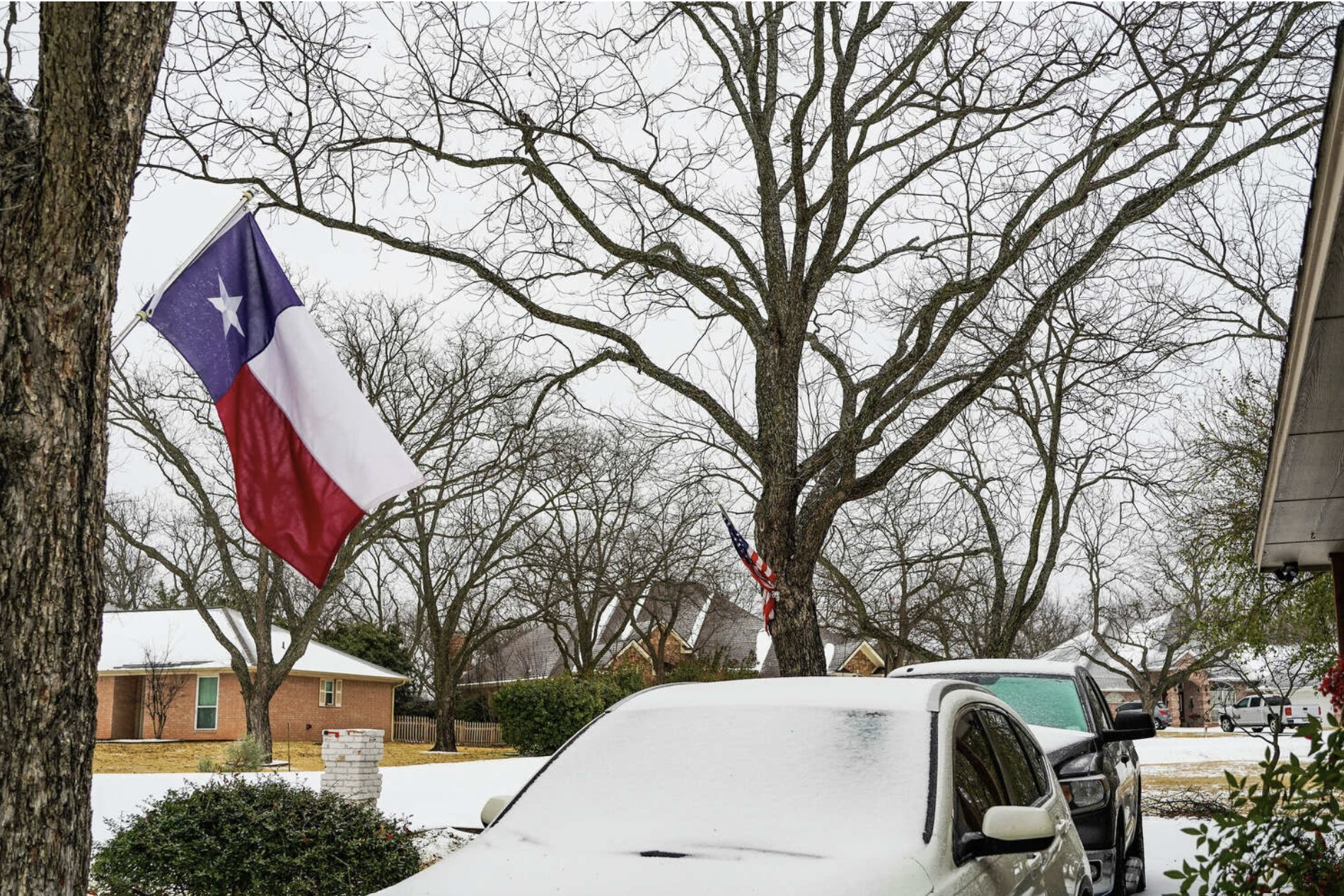
Cold-Snap Home Protection Survival Blueprint: Shield Your Home Now
- Uncategorized
- January 22, 2026
Cold weather can place extra stress on your home’s systems and materials. A few simple maintenance steps can support cold-snap home protection, improve efficiency, and keep your home comfortable during sudden temperature drops. This guide outlines five practical ways to prepare your home for a cold snap and reduce the risk of winter related issues.
1. Protect Your Pipes From Freezing
Frozen pipes are one of the most common and expensive winter home disasters.
Prevent freezing by:
- Insulating exposed pipes in unheated areas such as attics, garages, and crawl spaces
- Letting faucets drip during hard freezes
- Removing and draining garden hoses and closing valves on outdoor faucets
- Sealing gaps around plumbing penetrations
If a pipe bursts, immediate professional repair is essential to prevent structural damage.
2. Inspect and Maintain Your Roof
Cold weather can worsen existing roof issues.
Before temperatures drop:
- Check for missing or damaged shingles
- Clear debris from gutters
- Ensure flashing is secure around chimneys and vents
- Look for signs of sagging or moisture in the attic
A strong roof is your home’s best protection against winter storms.
3. Seal Drafts and Improve Insulation
Air leaks make your home colder and your energy bills higher.
Key areas to inspect:
- Windows and doors
- Attic access points
- Electrical outlets on exterior walls
- Baseboards and trim
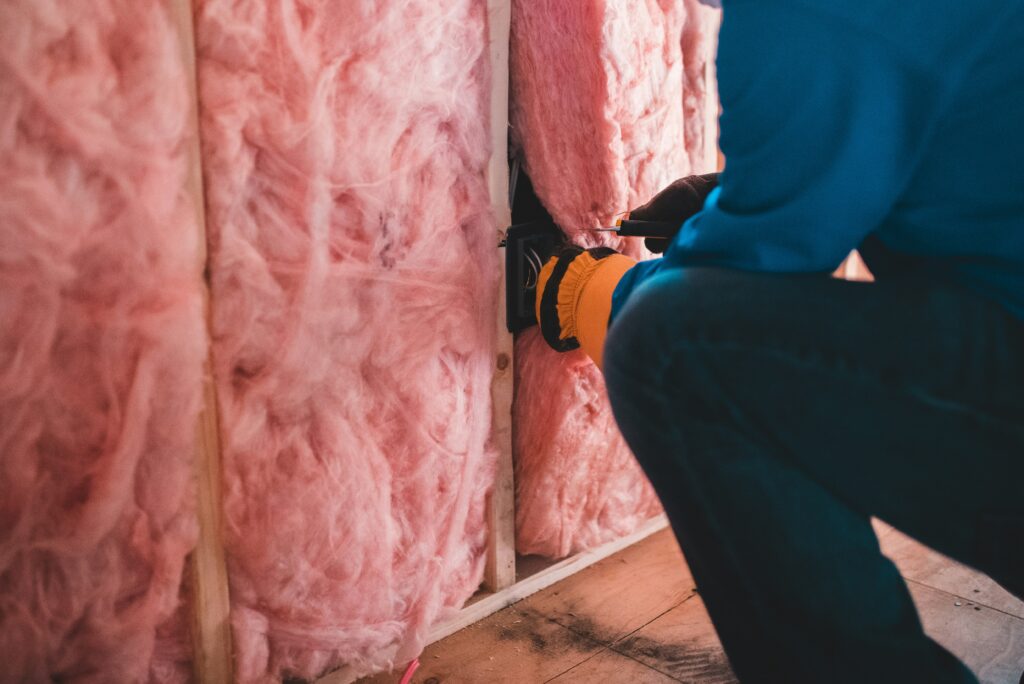
Adding insulation, especially in the attic, is one of the most cost‑effective ways to improve winter comfort.
4. Prepare Your HVAC System
Your heating system works overtime in a cold-snap.
Winter HVAC checklist:
- Replace air filters
- Clean vents and registers
- Schedule a professional inspection
- Check for uneven heating or unusual noises
A well maintained system keeps your home warm and energy efficient.
5. Winterize Outdoor Areas
Don’t forget the exterior features that support your home for cold-snap protection.
- Disconnect and drain hoses
- Close valves and cover outdoor faucets
- Store or protect outdoor furniture
- Trim tree branches that could fall during storms
These small steps prevent damage and extend the life of your outdoor materials.
For more information on how to protect your pipes from freezing, give a quick read to the Home Depot guide to insulating and wrapping pipes.
For information about preparing your home or commercial property built by JNS constructions for a cold-snap, reach out to us through our Contact page.
Image credits: Christine_Kohler/Getty Images







Recent Comments