Don’t Panic After the Freeze: How to Bring Your Freeze-Damaged Landscaping Back to Life
- Uncategorized
- February 19, 2026
A sudden freeze can leave the front of your home looking wilted, brown, or uneven. Plants collapse, soil shifts, and irrigation lines can crack. The good news is that most freeze-damaged landscaping can be revived with the right steps — and many homeowners can handle the process themselves with a little guidance.
Step One: Assess Your Freeze‑Damaged Landscaping
Before pulling anything out, homeowners should look for:
- Mushy stems or leaves
- Splitting bark
- Blackened or drooping foliage
- Roots lifting from the soil
But here’s the key: many plants look dead after a freeze but bounce back in spring. Encourage readers to wait 2–4 weeks before making big removal decisions.
Step Two: Clean Up What’s Truly Lost
Homeowners can safely remove:
- Slimy or rotting foliage
- Broken branches
- Fallen leaves and debris
But they should avoid heavy pruning until new growth appears. Over‑pruning is one of the biggest mistakes after a freeze.
Step Three: Check Soil and Drainage (Where Construction Expertise Matters)
Freezes can compact soil or shift grading, which affects how water flows around the home’s foundation.
Homeowners should check for:
- Hard, compacted soil
- Water is pooling near the house
- Erosion around walkways or porches
If grading has shifted or water is draining toward the home, that’s when they should call a professional.
Step Four: Reviving Plants That Survived the Freeze
To revive stressed plants:
- Water slowly and consistently
- Add compost to re‑oxygenate soil
- Hold off on fertilizer until new growth appears
Plants that often recover in Texas include rosemary, lantana, certain grasses, and some shrubs.
Step Five: Replace What’s Beyond Saving
If a plant is clearly dead, homeowners can replace it with freeze‑resistant, front‑yard‑friendly options:
- Native shrubs
- Hardy perennials
- Drought‑tolerant ornamentals
Placement matters — especially near the foundation — so this is another moment where your company’s expertise can shine.
DIY Guide: How to Rebuild Your Freeze‑Damaged Landscaping Yourself

After you’ve determined what to keep, remove, and trim back, let’s discuss how to proceed forward in landscaping your flower beds, front yards, and all other outdoor areas.
Step One: Plan Your Layout
- Sketch a simple front‑yard plan.
- Group plants by sunlight needs and height.
- Keep taller shrubs toward the back, near the house.
For specific ideas and inspiration for your next landscaping project, check out some Home Depot tips and tricks HERE.
Step Two: Choose Freeze‑Resistant Plants
Great DIY‑friendly options include:
- Rosemary
- Lantana
- Salvia
- Texas sage
- Ornamental grasses
These are hardy, low‑maintenance, and look great in front‑yard beds.
Step Three: Plant With Purpose and Protection
To properly plant your new landscaping:
- Dig holes twice as wide as the root ball.
- Set plants at the same depth they were in their pots.
- Water deeply after planting.
To protect your new landscaping:
- Spread 2–3 inches of mulch around plants.
- Keep mulch a few inches away from the base of shrubs.
Step Four: Set Up Smart Watering
- Use drip irrigation or soaker hoses for efficiency
- Water early in the morning to reduce evaporation.
- Add a freeze sensor if you have an irrigation system.
Future Upkeep:
Once your new landscaping is in place, the most important thing you can do is simply keep an eye on it, especially if you’re recovering from freeze‑damaged landscaping. Check your plants regularly for signs of stress, such as yellowing leaves, slow growth, or wilting, and trim lightly as they begin to fill out again. Refresh mulch each season to help regulate soil temperature and retain moisture, especially as the weather shifts. Pay attention to how water moves through your front yard after rain — proper drainage protects both your plants and your home’s foundation. With consistent care and small adjustments over time, your revived landscape will stay healthy, resilient, and ready for whatever the next cold snap brings.
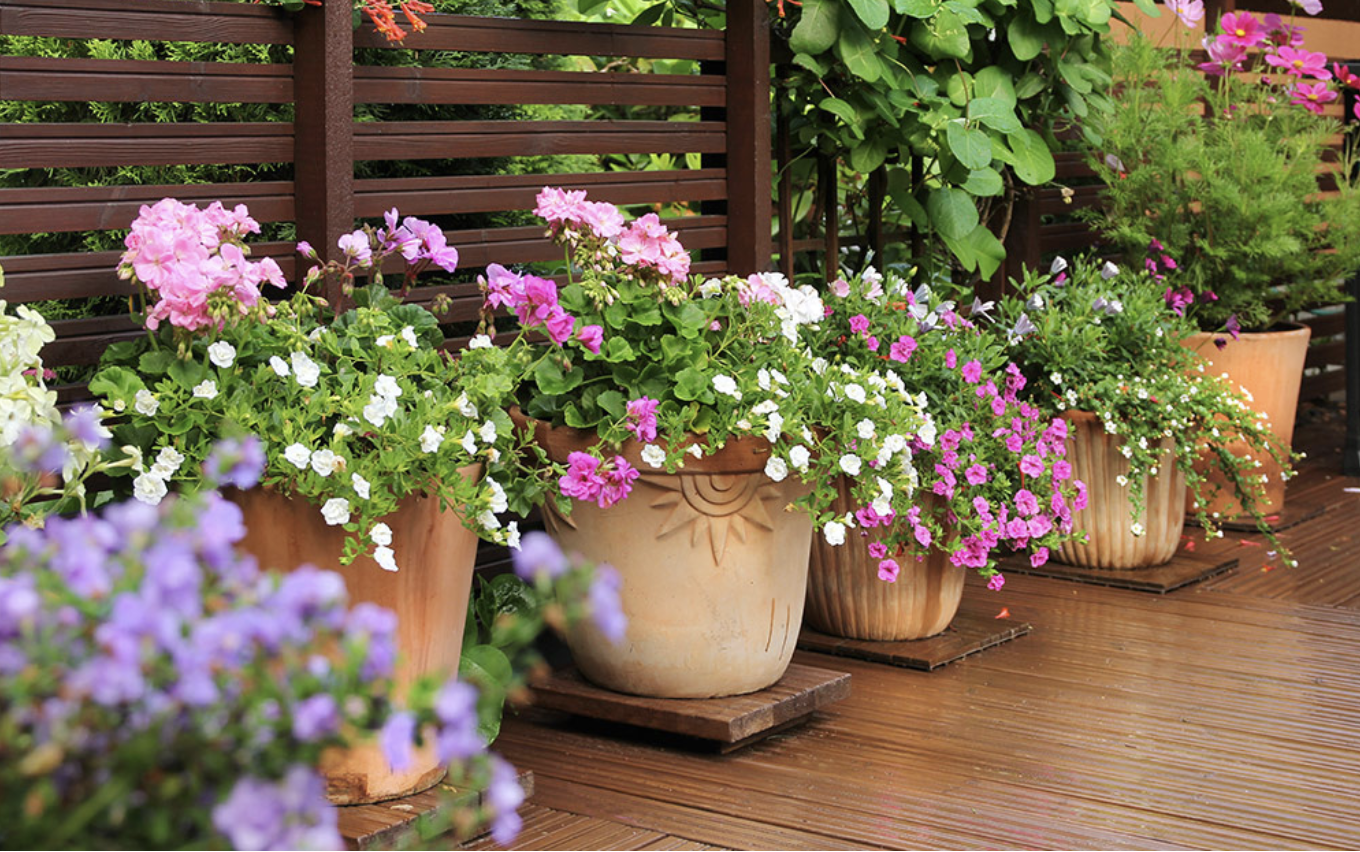
Image credits: Flower Bed Ideas – The Home Depot







Recent Comments